Polyglot Abstract Morph – Coral Fluid
Source Code Locked
Get the appropriate Subscription to unlock all copy-paste ready components instantly.

Description
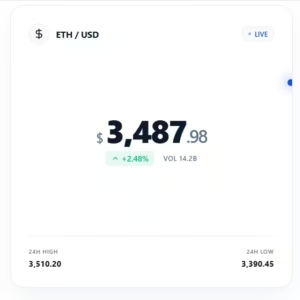
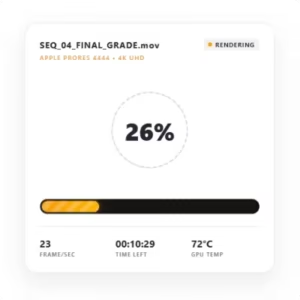
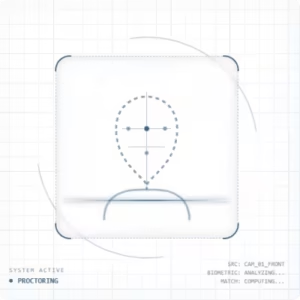
Let us look at the Polyglot Abstract Morph Coral Fluid component. This free UI asset offers a modular card system specifically engineered for the translation and localization sector. We built this entirely from scratch to handle heavy multilingual content switching without the usual framework bloat. You get a sterile DOM structure that integrates cleanly into your existing language management architecture.
Localization platforms process massive datasets of regional text and require absolute reliability during active translations. Heavy client side payloads completely ruin performance metrics when immediate rendering is needed for parallel language views. This component solves that bottleneck directly. By strictly avoiding external libraries like Tailwind, Bootstrap, or GSAP, it keeps your bundle size minimal. This ensures rapid rendering for linguists and product managers who need to monitor live localized strings on varied global networks.
Technical Architecture & Performance
-
Zero dependency codebase: Built strictly with pure HTML, CSS, and Vanilla JavaScript to keep your front end stack incredibly light.
-
Guaranteed performance metrics: Optimized to help your localization software maintain 90 plus PageSpeed scores and pass Core Web Vitals easily.
-
Safely scoped CSS: All styling is strictly scoped to prevent any class name collisions when you drop these cards into a massive monolithic repository.
-
Sterile DOM markup: Features clean HTML with absolutely no unnecessary wrappers or deep nesting trees to parse.
Design & Aesthetic Impact
The visual direction utilizes Coral Vibrant tones to establish a warm and highly engaging environment. This bright and highly readable aesthetic ensures visual clarity for users analyzing complex translation strings and dense localized content grids. For the interaction layer, we implemented custom morphing SVG shape animations. These fluid geometric transitions provide clear visual feedback during active language switches and regional data updates without requiring heavy javascript animation scripts. The final result is a clean user interface that looks premium and functions perfectly for strict enterprise localization platforms.
Enterprise Use Cases
-
Translation memory dashboards: Display active language pairs and completion percentages using the card grid so linguists can monitor project progress quickly.
-
Software localization portals: Build a fast rendering string management page where developers can organize and review massive datasets of regional text within a lightweight interface.
-
Global content administration panels: Create a responsive control layout for product managers to track active translation batches and vendor approvals across multiple international markets.
Highlights & Benefits
Drop the code straight into your project without configuration.
Built strictly with pure CSS & Vanilla JS for maximum speed.
Constructed with strict adherence to WCAG accessibility standards for perfect contrast and screen-reader support.
Utilizes a highly optimized, clean DOM architecture ensuring lightning-fast render and maximum PageSpeed scores.
Polyglot Abstract Morph – Coral Fluid
Description
Let us look at the Polyglot Abstract Morph Coral Fluid component. This free UI asset offers a modular card system specifically engineered for the translation and localization sector. We built this entirely from scratch to handle heavy multilingual content switching without the usual framework bloat. You get a sterile DOM structure that integrates cleanly into your existing language management architecture.
Localization platforms process massive datasets of regional text and require absolute reliability during active translations. Heavy client side payloads completely ruin performance metrics when immediate rendering is needed for parallel language views. This component solves that bottleneck directly. By strictly avoiding external libraries like Tailwind, Bootstrap, or GSAP, it keeps your bundle size minimal. This ensures rapid rendering for linguists and product managers who need to monitor live localized strings on varied global networks.
Technical Architecture & Performance
-
Zero dependency codebase: Built strictly with pure HTML, CSS, and Vanilla JavaScript to keep your front end stack incredibly light.
-
Guaranteed performance metrics: Optimized to help your localization software maintain 90 plus PageSpeed scores and pass Core Web Vitals easily.
-
Safely scoped CSS: All styling is strictly scoped to prevent any class name collisions when you drop these cards into a massive monolithic repository.
-
Sterile DOM markup: Features clean HTML with absolutely no unnecessary wrappers or deep nesting trees to parse.
Design & Aesthetic Impact
The visual direction utilizes Coral Vibrant tones to establish a warm and highly engaging environment. This bright and highly readable aesthetic ensures visual clarity for users analyzing complex translation strings and dense localized content grids. For the interaction layer, we implemented custom morphing SVG shape animations. These fluid geometric transitions provide clear visual feedback during active language switches and regional data updates without requiring heavy javascript animation scripts. The final result is a clean user interface that looks premium and functions perfectly for strict enterprise localization platforms.
Enterprise Use Cases
-
Translation memory dashboards: Display active language pairs and completion percentages using the card grid so linguists can monitor project progress quickly.
-
Software localization portals: Build a fast rendering string management page where developers can organize and review massive datasets of regional text within a lightweight interface.
-
Global content administration panels: Create a responsive control layout for product managers to track active translation batches and vendor approvals across multiple international markets.